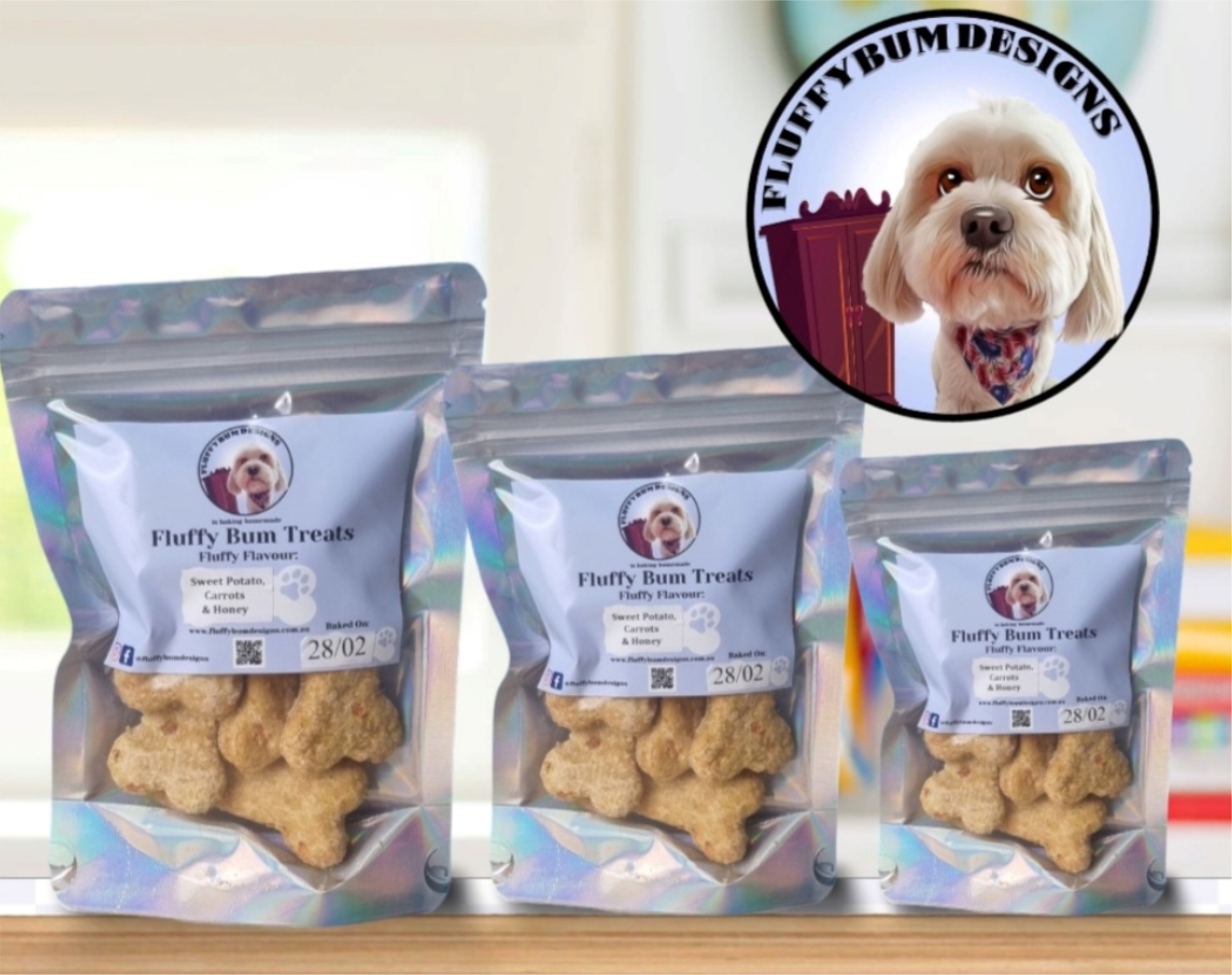
When customers encounter a product for the first time, the label often does more work than the product itself. Before anything is tasted, used, or tested, the label communicates quality, reliability, and brand intent.
In retail environments especially, customers make decisions quickly. Labels that look unclear, inconsistent, or poorly fitted can undermine trust — even if the product itself is excellent. Understanding how labels influence shelf appeal and perception helps businesses make better packaging decisions that support long-term growth.
First Impressions Happen in Seconds
In most retail and market settings, customers scan shelves rather than study products closely. Labels need to communicate clearly and confidently at a glance.
Key elements that influence first impressions include:
- Overall clarity and layout
- Legibility of product name and branding
- Visual balance between text and design
- How well the label fits the packaging
Labels that feel rushed or overcrowded often struggle to hold attention, while clear, well-spaced designs are easier to trust.
Shelf Appeal Is About More Than Design
Shelf appeal isn’t just about colours or fonts — it’s about how well a label works in its environment.
Factors that affect shelf presence include:
- Lighting conditions in stores or markets
- Distance from which the product is viewed
- Surrounding competing products
- Consistency across a product range
Labels that look good in isolation can lose impact when placed among similar products. Thoughtful sizing and layout help ensure a product stands out without looking out of place.
How Labels Build (or Break) Customer Trust
Customers subconsciously associate label quality with product quality. If a label looks misaligned, poorly printed, or unsuitable for the packaging, it can raise doubts — even if the product itself is premium.
Common trust-breaking issues include:
- Labels lifting or wrinkling on packaging
- Text that’s difficult to read
- Inconsistent branding across products
For businesses selling consumable goods, reviewing food and beverage labels helps ensure labels support trust in handling, storage, and presentation.
The Role of Labels in Brand Recognition
Strong brands are built through repetition and consistency. Labels play a key role in reinforcing brand identity across different products and packaging formats.
Well-designed labels help:
- Make products instantly recognisable
- Reinforce colour, font, and layout choices
- Create cohesion across product ranges
Retail and lifestyle brands often benefit from reviewing retail and apparel labelling solutions to ensure packaging supports long-term brand recognition.
Matching Labels to Packaging Shapes and Materials
Even the best label design can fall short if it doesn’t suit the packaging it’s applied to. Shape, surface, and material all influence how a label sits and performs.
Key considerations include:
- Flat versus curved surfaces
- Rigid versus flexible packaging
- Exposure to moisture or handling
Products packaged in bottles or jars benefit from reviewing bottle and jar labels to ensure sizing and layout suit curved containers.
Consistency Across a Product Range
When multiple products are displayed together, inconsistency becomes easy to spot. Differences in label size, placement, or finish can make a brand feel fragmented.
Consistency helps with:
- Building familiarity
- Creating a professional shelf presence
- Supporting repeat purchases
Planning label dimensions and layout early makes it easier to scale a product range without redesigning packaging each time.
Labels in Health, Beauty, and Personal Care
In health and beauty categories, labels play an even stronger role in trust. Customers often associate clean design and clear information with product safety and effectiveness.
Labels in this space often need to balance:
- Brand presentation
- Clear product identification
- Everyday handling and use
Reviewing health and beauty product labels helps ensure packaging aligns with customer expectations in this category.
Proofing and Accuracy Matter More Than You Think
Small errors on labels become highly visible once products are on shelves. Spacing issues, alignment problems, or text errors can be difficult to ignore.
Allowing time for proofing helps:
- Catch layout and sizing issues
- Ensure legibility at real-world scale
- Avoid costly reprints
Reviewing the artwork guidelines before finalising files helps ensure labels are prepared correctly from the start.
Building Confidence Through Packaging
When labels are clear, consistent, and well-suited to the packaging, they help customers feel confident about their purchase. That confidence supports better shelf performance, stronger brand perception, and higher likelihood of repeat sales.
Labels don’t just identify products — they communicate care, attention to detail, and reliability.
Get Advice Before Printing
If you’re reviewing or updating product labels, getting guidance early can help ensure packaging supports shelf appeal and customer trust.