
Choosing the right sticker or label is less about trends and more about how your product is packaged, handled, and sold. A design that looks great on screen can quickly become a problem if it doesn’t suit the surface, environment, or purpose it’s being used for.
Many small businesses run into issues such as labels lifting, stickers looking crowded, or packaging appearing inconsistent — not because of poor design, but because the sticker or label wasn’t chosen with real-world use in mind. Understanding a few key factors upfront helps avoid those problems and leads to a more professional result.
Start With How Your Product Is Used
Before deciding on a sticker or label, consider how your product will be used day to day.
Think about:
- How often the product is handled
- Whether it’s exposed to moisture, oils, or refrigeration
- If it’s used indoors, outdoors, or both
- Whether the sticker or label needs to last long-term or short-term
A product that’s stored in a fridge or handled frequently needs a different approach to one that’s boxed and shipped once. Starting with usage conditions makes the decision process much clearer.
Packaging Type Makes a Big Difference
The shape and surface of your packaging directly affect how a sticker or label performs.
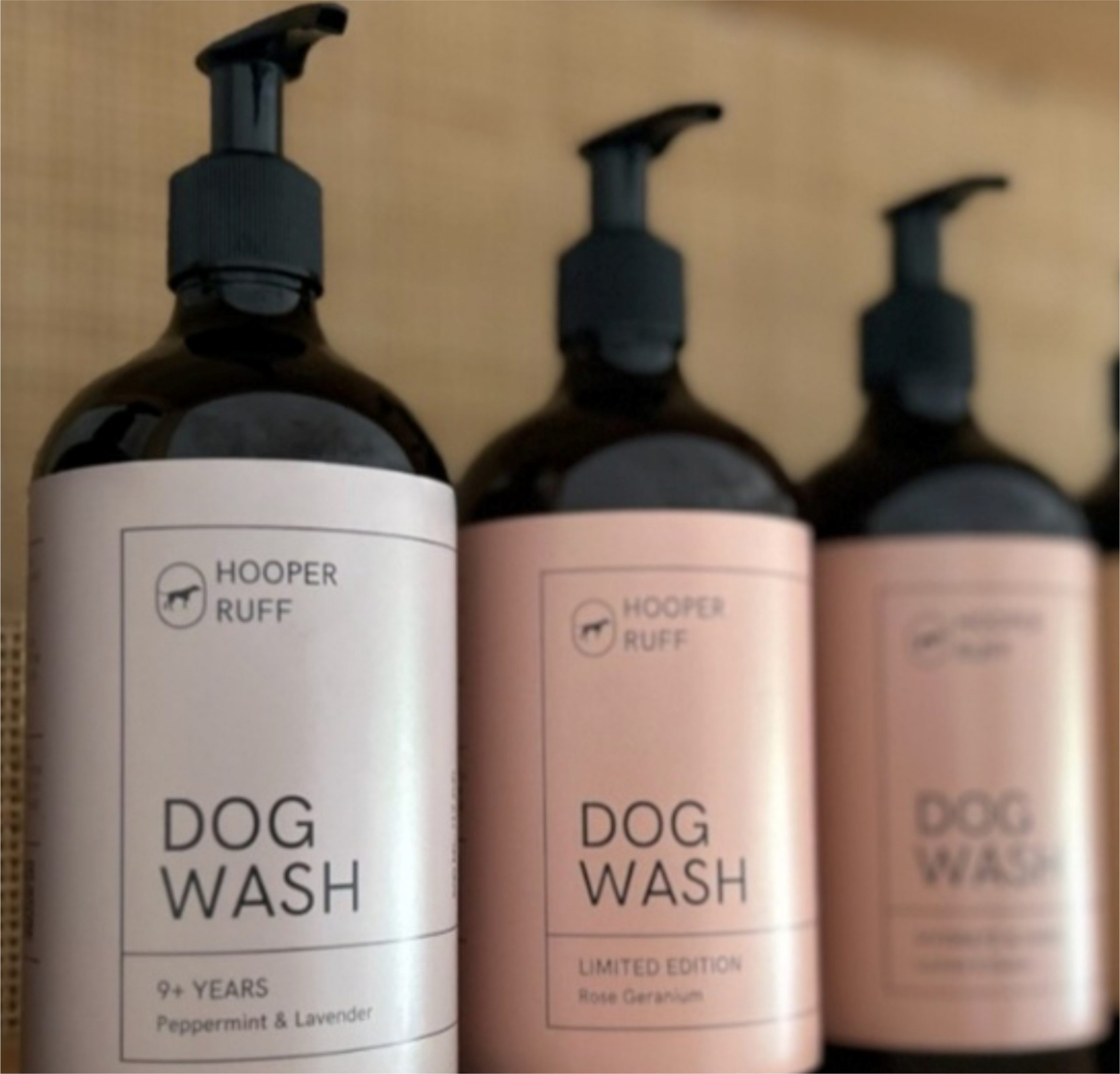
Flat surfaces such as boxes, cartons, and mailers generally allow for easier placement and alignment. Curved surfaces like bottles and jars require more careful sizing to prevent wrinkling or edge lift. Flexible packaging, such as pouches or wraps, introduces movement that needs to be considered during design and placement.
If your product uses curved containers, reviewing bottle and jar labels helps clarify sizing and layout considerations early.
Stickers vs Labels — What’s the Practical Difference?
Although the terms are often used interchangeably, stickers and labels usually serve different roles.
Stickers are commonly used for branding, promotions, packaging inserts, and giveaways. They offer flexibility and are often chosen for visual impact. Many businesses use custom sticker printing to reinforce branding across packaging and marketing materials.
Labels are typically applied directly to products for identification, branding, or essential information. Custom label printing is often used for bottles, jars, and packaged goods where consistency and clarity are important.
Understanding the intended role helps determine which option makes the most sense for your product.
Choosing the Right Option by Industry
Different industries place different demands on stickers and labels.
For food products, labels often need to remain legible through handling, storage, and refrigeration. Reviewing stickers for food and beverage packaging helps highlight what works best in these environments.
Health and beauty products often involve oils, liquids, and daily handling. Health and beauty product labels are typically selected with presentation and durability in mind.
Retail and apparel businesses often prioritise brand consistency across packaging and promotions. Retail and apparel labelling solutions support cohesive presentation across product ranges.
Size, Quantity, and Consistency Matter
Consistency is one of the most overlooked aspects of sticker and label ordering. Small changes in size or placement can make products look mismatched, even if the design stays the same.
Planning size, quantity, and placement early helps:
- Maintain a consistent brand appearance
- Reduce reprints and adjustments
- Simplify future packaging runs
This becomes especially important when managing multiple products or variations.
Artwork Preparation Before Ordering
Artwork quality plays a major role in how your sticker or label turns out. Files should be supplied at the correct size and resolution, with appropriate bleed to allow for trimming.
Reviewing the artwork guidelines before submitting files helps avoid delays and ensures the proof reflects the final result accurately.
When It’s Worth Asking for Advice
If you’re unsure which sticker or label option suits your product, asking early often saves time and cost. A short discussion about packaging type, usage, and quantity can prevent common issues and streamline the ordering process.