
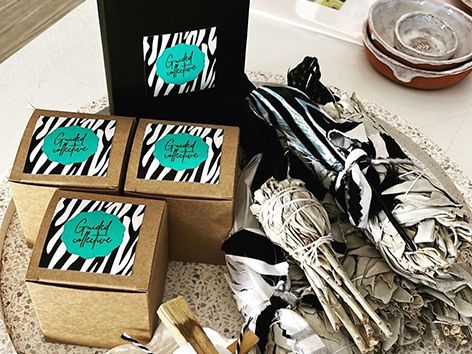
Packaging is often treated as a finishing touch, but for many small businesses it becomes the first physical interaction a customer has with a brand. When packaging goes wrong, it’s rarely because of a single big mistake — it’s usually the result of small oversights that compound over time.
From labels that don’t sit properly to branding that feels inconsistent, these issues can affect how a product is perceived long before it’s used. Understanding common packaging mistakes helps avoid rework, wasted stock, and missed opportunities to build trust.
Treating Packaging as an Afterthought
One of the most common mistakes small businesses make is leaving packaging decisions until the end of the process. Labels and stickers are often designed once the product is finished, rather than planned alongside it.
This can lead to:
- Labels that don’t fit the packaging properly
- Last-minute design compromises
- Inconsistent sizing across product runs
Packaging works best when it’s considered early, alongside product design and branding. Planning ahead allows for better alignment between packaging, labels, and overall presentation.
Choosing Packaging Before Understanding How It’s Used
Packaging doesn’t exist in isolation — it’s handled, transported, stored, and displayed. Ignoring how packaging is used often leads to performance issues later.
Common oversights include:
- Not accounting for refrigeration or moisture
- Ignoring frequent handling by customers
- Overlooking curved or flexible surfaces
Products stored in cool or damp environments require different considerations than boxed items shipped once and left untouched. Understanding real usage conditions helps guide better packaging and labelling decisions.
Using the Wrong Type of Label for the Product
Another frequent mistake is using a label or sticker that isn’t suited to the product itself. This often shows up as labels lifting, wrinkling, or looking worn too quickly.
This commonly happens when:
- Labels are applied to curved containers without proper sizing
- Packaging contains oils or liquids that affect adhesion
- Flexible packaging shifts under pressure
For products packaged in bottles or jars, reviewing product packaging labels designed for curved containers helps prevent these issues.
Ignoring Consistency Across Products
Inconsistency is one of the fastest ways to make a brand look unpolished. Small differences in label size, placement, or design may seem minor, but they become noticeable when products sit side by side.
Common consistency issues include:
- Different label sizes across similar products
- Inconsistent spacing or alignment
- Changes in finish between orders
Maintaining consistency across packaging helps reinforce brand recognition and professionalism. This is especially important for businesses selling multiple products or variations.
Overloading Labels With Too Much Information
Trying to fit too much information onto a label is a common mistake, particularly for small packaging. When labels become crowded, readability suffers and the design loses impact.
Signs of overloading include:
- Text that’s difficult to read
- Poor spacing between elements
- Important information getting lost
Clear hierarchy and thoughtful layout help ensure labels remain legible and visually balanced. Sometimes less information leads to a stronger overall result.
Not Matching Packaging to the Sales Environment
Packaging that works well online doesn’t always translate perfectly to physical retail, and vice versa. Ignoring where and how a product is sold can reduce its effectiveness.
Considerations include:
- Shelf visibility in retail settings
- Close-up inspection for online orders
- Handling during shipping and delivery
Businesses selling apparel or lifestyle products often benefit from reviewing retail and apparel packaging solutions to better align packaging with their sales environment.
Overlooking the Role of Branding in Packaging
Packaging is a branding tool, not just a container. When branding is inconsistent or unclear, packaging misses an opportunity to reinforce trust and recognition.
Common branding missteps include:
- Logos that are too small or poorly placed
- Colours that don’t match other brand materials
- Inconsistent use of fonts or styles
Strong branding through packaging helps products stand out and creates a more cohesive customer experience from first glance to unboxing.
Not Allowing for Proofing and Adjustments
Skipping or rushing the proofing stage is a costly mistake. Small layout issues that seem minor on screen can become obvious once printed.
Proofing helps catch:
- Alignment and spacing issues
- Sizing problems
- Text legibility concerns
Allowing time for review and adjustments reduces the risk of costly reprints and wasted stock.
Forgetting About Long-Term Scalability
Packaging decisions made for a single product can affect future expansion. Choices that work for one item may become limiting as a product range grows.
Planning for scalability includes:
- Using consistent label sizes where possible
- Designing packaging that works across variations
- Considering future product additions
This approach makes it easier to grow without constantly redesigning packaging.
Skipping Guidance When Unsure
Many packaging mistakes happen because businesses assume they need to figure everything out alone. Asking questions early often prevents issues later.
A short discussion about packaging type, usage, and quantity can help:
- Identify potential problems early
- Streamline the ordering process
- Improve overall results
For businesses unsure where to start, reviewing custom label printing options provides a practical foundation.
How to Avoid These Mistakes Altogether
Avoiding common packaging mistakes comes down to planning, consistency, and clarity.
Key takeaways:
- Consider packaging early in the process
- Match labels and stickers to real usage conditions
- Keep branding consistent across products
- Allow time for proofing and adjustments
- Ask for guidance when unsure
Thoughtful packaging supports both product quality and brand perception.
Get Help Before You Print
If you’re planning new packaging or updating an existing product, getting advice early can save time, cost, and unnecessary revisions.