Behind every sticker or label is a real business solving a real problem. Across Australia, small and growing businesses use stickers and labels not just as decoration, but as practical tools that support packaging, branding, sales, and recognition.
From market stallholders and online retailers to service businesses and event organisers, sticker projects tend to follow similar patterns. Understanding how other Australian businesses use stickers in real situations helps clarify what works, what to prioritise, and how to avoid common missteps.
Why Real Projects Matter More Than Examples
Generic examples can be helpful, but real-world projects reveal how stickers are actually used once they leave the printer. They show how design choices, sizing, and placement perform in everyday environments.
Looking at real sticker projects helps businesses:
- Visualise how stickers are applied in practice
- Understand common use cases across industries
- Make more confident decisions before ordering
These projects often highlight practical solutions rather than perfect, showroom-style outcomes.
Small-Batch Product Businesses
Many Australian sticker projects come from small-batch product businesses. These businesses often operate with limited space, changing product ranges, and evolving branding.
Common sticker uses in small-batch projects include:
- Product labels for jars, bottles, and containers
- Branding stickers used across multiple packaging types
- Stickers added as packaging inserts
These businesses typically value flexibility and consistency, using the same designs across different products to maintain a cohesive look.
Food, Beverage, and Artisan Producers
Food and beverage businesses frequently rely on stickers and labels to identify products clearly while supporting shelf appeal and customer trust.
Real-world applications often include:
- Labels for jams, sauces, honey, and preserves
- Bottle labels for drinks and oils
- Stickers used at markets and pop-ups
These projects highlight the importance of legibility, layout, and suitability for handling and storage.
Businesses in this space often review food and beverage packaging solutions when planning new products or updating labels.
Health, Beauty, and Personal Care Brands
Health and beauty sticker projects often focus heavily on presentation. Customers expect packaging in this category to look clean, considered, and professional.
Typical projects include:
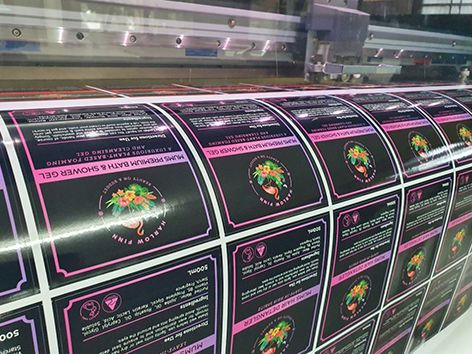
- Labels for skincare and cosmetic containers
- Branding stickers for packaging and inserts
- Stickers supporting limited releases or seasonal products
Consistency across products is a recurring theme, especially for brands expanding their range over time.
Many businesses reference health and beauty product labels when refining their packaging approach.
Retail and Lifestyle Brands
Retail and lifestyle businesses use stickers in a wide range of ways, often combining packaging, promotion, and branding into a single system.
Real sticker projects in this category commonly involve:
- Branding stickers for boxes and bags
- Stickers included with online orders
- Promotional stickers tied to campaigns or launches
These projects show how stickers help maintain consistency across physical and digital sales channels.
Businesses often review stickers for retail and apparel brands when aligning packaging across different touchpoints.
Trades, Services, and Local Operators
Not all sticker projects are product-based. Many Australian trades and service businesses use stickers for visibility, identification, and professionalism.
Common applications include:
- Vehicle branding
- Equipment and toolbox labels
- Job-site identification
These projects highlight how stickers support recognition and trust in local communities without ongoing advertising costs.
Stickers used in this way often form part of local business branding strategies.
Events, Campaigns, and Short-Term Projects
Event-based sticker projects are typically time-sensitive and focused on visibility rather than permanence.
Examples include:
- Event giveaways
- Promotional campaign materials
- Stickers included in show bags or kits
These projects demonstrate how stickers can support awareness without requiring permanent changes to packaging or signage.
Businesses often rely on event and promotional stickers for this type of use.
What These Projects Have in Common
Across industries and business types, real sticker projects tend to share a few key characteristics.
Common patterns include:
- Simple, clear designs
- Consistent sizing and placement
- Reuse of the same artwork across multiple applications
Rather than chasing trends, many successful projects prioritise clarity, usability, and repeat recognition.
Learning From What Works
Real projects often reveal that small details matter most. Label placement, spacing, and size can have a bigger impact than complex design elements.
Reviewing completed work helps businesses:
- Avoid common mistakes
- Make better design decisions
- Plan packaging more confidently
Seeing how stickers are actually used provides reassurance and inspiration.
Browsing recent sticker and label projects offers insight into how Australian businesses apply stickers across different scenarios.
Applying These Lessons to Your Own Project
While every business is different, the principles behind successful sticker projects are consistent. Understanding how others have approached packaging and branding makes it easier to apply those lessons to your own products or services.
Key takeaways include:
- Plan stickers around real usage, not just design
- Keep branding consistent across applications
- Choose simplicity over unnecessary complexity
These principles apply regardless of industry or business size.
Start Your Own Sticker Project With Confidence
If you’re planning new stickers or labels, reviewing real-world examples can help guide better decisions from the start.