
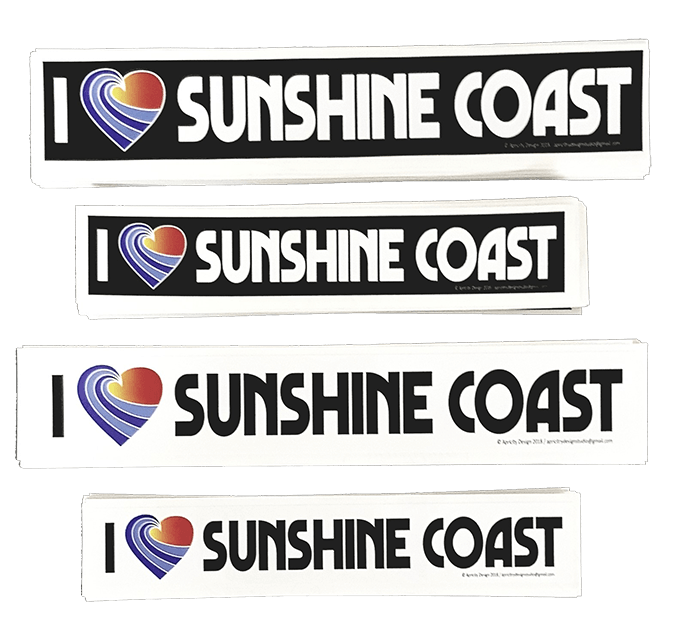
Sticker design goes beyond artwork. Size, shape, and finish all play a major role in how a sticker looks, applies, and performs in real-world use. These choices affect readability, placement, durability, and overall presentation across packaging, promotions, and branding.
Many small businesses only realise the importance of these details after problems appear — stickers that look crowded, don’t sit properly on packaging, or feel inconsistent across products. Understanding how size, shape, and finish work together helps avoid those issues and leads to a more professional result.
Why Sticker Size Matters
Sticker size directly affects how information is read and how the design sits on a product or surface. A sticker that’s too small can reduce legibility, while one that’s too large may overpower packaging or look out of proportion.
When choosing sticker size, consider:
- Available surface area
Measure the actual space where the sticker will be applied, not just the packaging dimensions. Curves, seams, and edges reduce usable space. - Viewing distance
Stickers meant to be read up close (packaging labels) can be smaller than those designed for visibility at a distance (promotions or giveaways). - Amount of information
Designs with detailed text or multiple elements need more space to avoid a cramped appearance. - Consistency across products
Using the same sticker size across a product range helps maintain a cohesive brand look.
Businesses ordering custom sticker printing often benefit from confirming size early to avoid reprints or adjustments later.
Choosing the Right Sticker Shape
Sticker shape affects both visual impact and practicality. While design often drives shape choice, application and placement matter just as much.
Common shape considerations include:
- Circular and oval stickers
Often used for logos, seals, and branding elements. These shapes work well on a wide range of surfaces and are forgiving on curved packaging. - Square and rectangular stickers
Ideal for designs with text, multiple elements, or structured layouts. They suit flat packaging such as boxes and mailers. - Custom-shaped stickers
Used when the sticker follows the outline of a logo or graphic. These can be visually striking but require careful planning to ensure clean application.
The right shape should complement the design without creating unnecessary complexity. For flexible branding and everyday use, many businesses rely on vinyl stickers for everyday use, as they perform well across different shapes and surfaces.
Understanding Sticker Finishes
Sticker finish influences both appearance and performance. The same design can look and feel very different depending on the finish selected.
Common finish options include:
- Gloss finishes
Enhance colour vibrancy and contrast, making designs stand out. Best suited for bold artwork and promotional stickers. - Matte finishes
Reduce glare and provide a softer, more refined look. Often preferred for minimal or premium branding. - Laminated finishes
Add an extra protective layer that helps guard against scuffing, fading, and wear.
For stickers that are handled frequently, transported, or used outdoors, laminated stickers for extra protection help maintain appearance over time.
Matching Sticker Choices to Packaging
Packaging type has a major impact on how a sticker performs once applied. A sticker that works well on one surface may struggle on another.zz
Key packaging considerations include:
- Flat packaging
Boxes, cartons, and mailers offer the most flexibility for size and shape. - Curved packaging
Bottles and jars require precise sizing to prevent lifting or wrinkling at the edges. - Flexible packaging
Pouches and wraps move and compress, which can affect adhesion and alignment.
Products packaged in bottles or jars benefit from reviewing label options for bottles and jars to ensure sizing and layout suit curved containers.
Stickers vs Labels in Practical Use
While stickers and labels can look similar, they’re typically used for different purposes.
Stickers are commonly used for:
- Branding and marketing
- Packaging inserts
- Giveaways and promotions
Labels are usually applied directly to products for:
- Identification
- Branding consistency
- Essential product information
Businesses comparing options often review custom label printing alongside sticker solutions before deciding what best suits their packaging and workflow.
Planning for Consistency Across Orders
Consistency is one of the most overlooked aspects of sticker ordering. Even small changes in size, shape, or finish can make products appear mismatched.
Planning ahead helps:
- Maintain a consistent brand appearance
- Reduce rework and reprints
- Simplify future orders and expansions
This becomes especially important as product ranges grow or packaging evolves over time.
Artwork Preparation and Accuracy
Artwork must be supplied at the correct size and resolution to ensure clean trimming and accurate results. Allowing for bleed and spacing around key elements helps prevent cutting issues.
Before submitting files, reviewing the artwork guidelines helps ensure everything is set up correctly.
When to Ask for Guidance
If you’re unsure about sticker size, shape, or finish, asking for advice early can prevent common mistakes. A short discussion about how the sticker will be used often leads to better results and a smoother ordering process.